Ice loading, freeze-thaw, and the conductors most at risk
What ASCE 7-22 ice accretion means for rural distribution lines, and how to spot the spans carrying the heaviest combined loads.
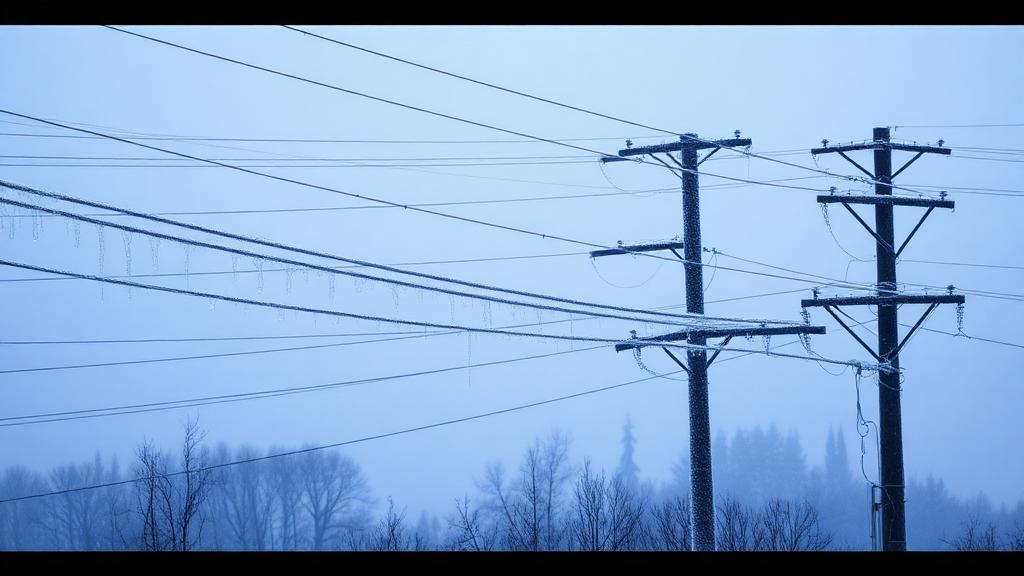
Ice is one of the most demanding loads a distribution line ever sees. A thin radial coating adds weight and surface area, and when wind pushes on that iced conductor the combined load can climb well beyond a clear-day design case.
Radial ice and wind-on-ice
ASCE 7-22 defines design ice thicknesses and the concurrent wind that acts on the iced surface. Translating that into a per-span signal lets you compare exposure across a territory rather than treating every line the same.
- Radial ice accretion increases conductor weight and projected area.
- Concurrent wind acting on the iced surface compounds the load.
- Repeated freeze-thaw cycles fatigue hardware and structures over seasons.
Prioritizing inspections after an event
After a winter storm, crews cannot walk every mile at once. Scoring spans by modeled ice and freeze-thaw stress turns a long list into a ranked one, so the most punished structures get eyes on them first.